
Est. 2021 — Independent Energy Intelligence"The grid doesn't sleep. Neither do we."Thursday, February 26, 2026

Chronicle

Energy Policy · Grid Operations · Upstream Markets · Federal Regulation

Front Page

THE GRID DOESN'T SLEEP.
NEITHER DO WE.

Chronicle publishes the energy analysis that utility boards read before they vote, that traders read before they size, and that policy teams read before they testify.

Below the Fold — Today's Sections
IBREAKING

Grid Infrastructure

ERCOT's winter reserve margins are thinner than reported

Internal modeling shows a 4.2 GW gap the market hasn't priced.

Read →
II

Federal Policy

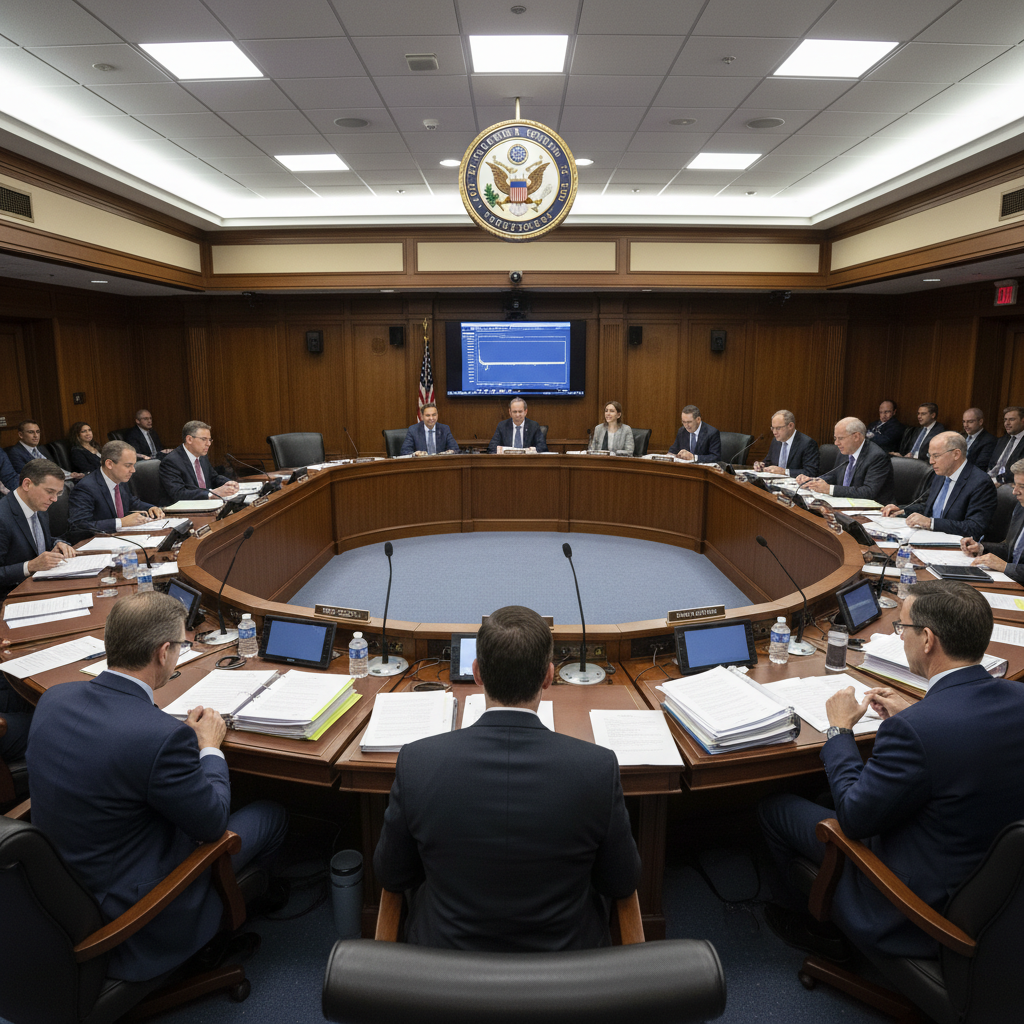
FERC Order 1920 implementation: who blinks first

Six RTOs, four interpretations, one deadline nobody believes.

Read →
III

Upstream Markets

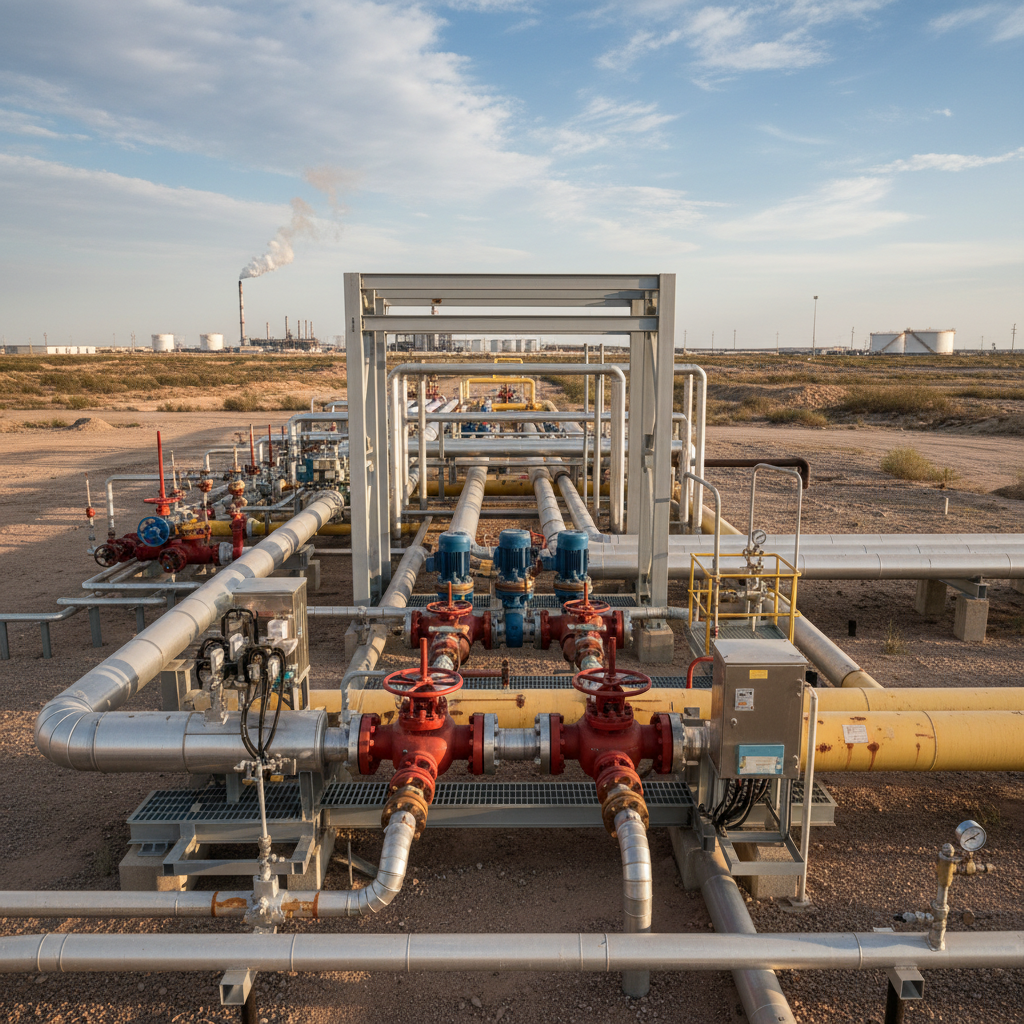
Permian gas flaring data the operators don't publish

FOIA-sourced figures from Q3 2025 tell a different story.

Read →
Chapter One

Why Mainstream Energy Coverage
Keeps Failing You

The energy beat is not underserved. It is mis-served. There is a difference — and that difference costs readers money, costs policy teams credibility, and costs the grid resilience it cannot afford to lose.

"The story is always in the docket, the interconnection queue, or the ISO settlement data. Not in the press release."

— Chronicle Editorial Standards, 2021
Wire ServicesToo Slow

Report FERC dockets 48 hours after the trading window closes. By the time Reuters files, the spread has already moved.

Trade PressConflicted

Ad-dependent on the same utilities they're supposed to investigate. The critical infrastructure piece never runs. The sponsored content does.

Financial MediaToo Shallow

Covers energy as a commodity play, not as physical infrastructure. Misses the engineering constraints that determine whether a trade makes sense.

Think Tank ReportsToo Late

Rigorous but six months late, written for other academics, and missing the operational context that practitioners need to act on.

The Chronicle Difference

Primary sources. Physical context. No advertising conflicts.

Every Chronicle reporter has stood on a drilling platform, sat through a rate case, or modeled a capacity market. We don't explain what FERC did. We explain what it means for the dispatch stack on a 95°F July afternoon.

340+

FOIA Requests Filed

18

FERC Proceedings Covered Live

6

Investigative Series Published

0

Utility Advertisers

Chapter Two

The Reporters Who
Filed the Stories Nobody Else Did

Chronicle's editorial team comes from the field, not the press pool. Before they filed copy, they filed permits, modeled interconnection queues, and sat in depositions. The reporting reflects that.

Margaret Holloway, Grid Infrastructure Editor at Chronicle
Grid Infrastructure Editor

Margaret Holloway

Former NERC reliability coordinator. Covered the 2021 Texas freeze from inside the ERCOT control room before the state knew what was happening.

Beat

ISO/RTO Operations · Transmission Planning · Reliability Standards

Stories That Moved the Market

  • ERCOT's Hidden Reserve Gap
  • The Interconnection Queue Backlog Is Worse Than Published
  • How PJM Miscalculated Winter 2024
Darnell Okafor, Federal Policy Correspondent at Chronicle
Federal Policy Correspondent

Darnell Okafor

Covered FERC for seven years from inside the building. Has read more Order 1000 compliance filings than any human should.

Beat

FERC · DOE · Congressional Energy Committees

Stories That Moved the Market

  • Order 1920: The Implementation Fight Nobody's Covering
  • DOE Loan Program's Quiet Backlog
  • How ISO-NE Gamed the Capacity Market
Priya Krishnamurthy, Upstream & Markets Reporter at Chronicle
Upstream & Markets Reporter

Priya Krishnamurthy

Petroleum engineer turned journalist. Reads well logs for fun. Broke the Permian flaring story that triggered an EPA inquiry.

Beat

Oil & Gas · LNG Markets · Midstream Infrastructure

Stories That Moved the Market

  • Permian Flaring Data the Operators Don't Publish
  • Basis Blow-Outs and What Traders Missed
  • LNG Export Terminals: The Capacity Math Doesn't Add Up
Chapter Three

From FOIA Request
to Published Analysis

The reporting process at Chronicle is not a workflow. It's a discipline. Each step exists because a previous story taught us what happens when you skip it.

I

Source Identification

Ongoing

Every story begins with a regulatory signal: a docket filing, an interconnection study, a tariff revision. Chronicle monitors 14 ISO/RTO public dockets and three federal agency feeds in real time.

ISO/RTO dockets · FERC eFiling · EIA data releases · State PUC filings

II

FOIA & Primary Document Pull

2–90 days

Before a reporter writes a sentence, they've requested the underlying data. Chronicle has 340+ active FOIA requests across DOE, EPA, and five federal agencies. When the documents arrive, they're read by someone who understands what they mean.

DOE · EPA · FERC · PHMSA · Army Corps of Engineers

III

Field & Expert Verification

3–10 days

The numbers get stress-tested by practitioners. Chronicle's editorial board includes a former NERC reliability coordinator, a capacity market economist, and two petroleum engineers. If the analysis doesn't survive their review, it doesn't publish.

Engineering review · Economic modeling · Legal verification

IV

Adversarial Draft Review

2–5 days

Every investigative piece goes through a red-team review: a reporter assigned to find the holes. This is how we caught the error in the ERCOT reserve margin calculation before we published it — not after.

Internal red-team · External expert challenge · Legal review

V

Publication & Follow-Through

Ongoing post-publication

Publication is not the end of the story. Chronicle tracks how regulators, utilities, and legislators respond to reported findings. Three of our investigative series have been cited in formal FERC proceedings.

Regulatory tracking · Legislative monitoring · Reader advisory updates

"Three Chronicle investigative series have been cited in formal FERC proceedings. One triggered a DOE data disclosure request. The process is why."

— Chronicle Impact Report, Q4 2025
Editorial Quiz

Find Your
Energy Briefing

Five questions. Each one demonstrates that Chronicle understands your world before asking for your email address.

Question 1 of 50% complete

What sector do you cover?

Your beat determines which signals matter most.